June 17, 2026
In modern construction, where skylines continue to evolve through new buildings and infrastructure, tower cranes play a central role in lifting and placing heavy materials. These machines support the construction of high-rise buildings, bridges, and large-scale developments by enabling efficient material handling at height. Over time, tower crane designs have advanced to meet changing construction needs, offering a range of configurations and capabilities suited to different project types. This guide explores the main types of tower cranes, their components, functions, and the key factors that influence their use on construction sites.
Types of Tower Cranes Explained
Operate Fixed Tower Cranes
Fixed tower cranes are commonly used on long-term construction projects where stable, high-capacity lifting is required. They are anchored to a reinforced foundation, typically made of concrete, allowing them to remain securely in place throughout the duration of a build. These cranes are often used in high-rise construction where consistent lifting performance is needed over an extended period. In some project planning discussions, tower crane rental may be evaluated as an option for securing this type of equipment for longer builds.
Deploy Self-Erecting Tower Cranes
Self-erecting tower cranes are designed for faster setup and repositioning compared to traditional fixed cranes. They are typically used on projects where space is limited or where crane mobility and quicker installation are important. These cranes can be assembled with reduced on-site time and are often selected for smaller or mid-sized construction projects.
Utilize Hammerhead Tower Cranes
Hammerhead tower cranes feature a horizontal jib that remains fixed during operation. This design allows for controlled lifting and placement of materials across a wide radius. They are commonly used on large construction sites where heavy lifting and broad site coverage are required. In planning equipment strategies, tower crane rental may be used to support access to hammerhead crane configurations for specific phases of work.
Core Components of Tower Cranes
Build the Mast
The mast is the vertical structure that provides height and stability to a tower crane. It is assembled using steel sections that are bolted together, allowing the crane to be extended as the construction height increases. The mast supports the overall crane structure and plays a central role in lifting performance and balance. In projects that rely on tower crane rental, mast configuration is typically matched to site height requirements.
Position the Jib
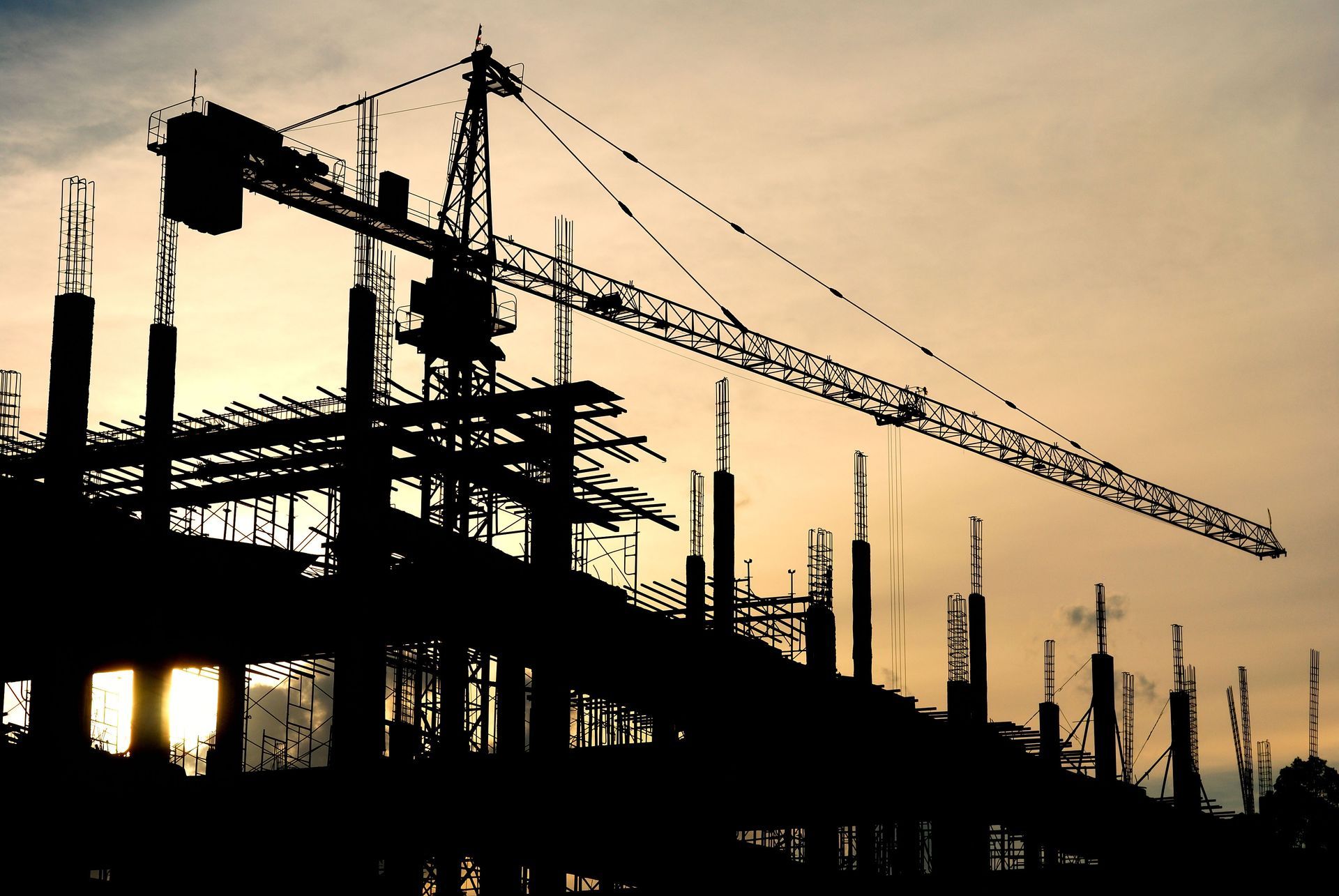
The jib is the horizontal arm of the crane responsible for moving materials across the worksite. Its length and configuration determine the crane's reach and lifting range, making it a key factor in selecting the right crane for a project. Proper jib selection helps ensure materials can be positioned efficiently throughout the worksite. Tower crane rental options often include different jib configurations depending on project needs.
Balance Counterweights
Counterweights are used to balance the crane during lifting operations. They help offset the weight of lifted materials, supporting stability during movement and positioning tasks. The correct balance of counterweights is essential for maintaining controlled operation throughout the lift cycle. These configurations are typically accounted for when planning tower crane rental setups.
Control the Operator's Cab
The operator's cab is the control center of the crane. From this position, the operator manages lifting, rotation, and load placement using integrated control systems that support precise handling of materials. Visibility and control systems help support coordination across the worksite during lifting operations. In tower crane rental setups, the cab system is included as part of the complete crane configuration.
Establish the Foundation and Support Base
The foundation and support base provide the structural stability required for crane operation. Constructed from reinforced concrete, this base distributes the crane's load and helps maintain stability throughout its use on site. Proper foundation design is essential for safe crane performance under varying load conditions. Tower crane rental arrangements typically require site preparation to support foundation requirements.
Operational Functions of Tower Cranes
Handle Cargo Lifting and Transport
Tower cranes are primarily used to lift and move heavy construction materials across a worksite. They support the vertical and horizontal transport of materials such as steel beams, concrete panels, and other structural components needed during construction. This lifting capability helps streamline material flow across complex builds. Many contractors consider tower crane rental when planning lifting needs for specific project phases.
Perform Precision Positioning
Tower cranes are designed to place materials with controlled movement and accuracy. This allows construction teams to position components in precise locations, supporting structural assembly and overall project coordination. Accurate placement reduces the need for repositioning and improves workflow efficiency. Tower crane rental can provide access to equipment suited for precision-based lifting tasks.
Manage Manual and Assisted Control Systems
Tower cranes are typically operated from a cab using manual controls supported by mechanical and electronic systems. These systems assist the operator in managing load movement, rotation, and placement to help maintain controlled lifting operations. Control assistance features support consistent handling across different load conditions. These systems are included in most tower crane rental equipment packages.
Apply Safety Considerations in Operation
Safe crane operation depends on proper load management, equipment monitoring, and coordinated site procedures. Operators follow established lifting guidelines and use built-in systems such as load indicators and control limits to support safe handling of materials during construction activities. According to 360osha30.com, 80% of crane accidents involve exceeding load capacities. These considerations are important in both permanent setups and tower crane rental usage scenarios.
Practical Advantages of Tower Cranes
Extend Height and Load Handling Capability
Tower cranes are designed to lift heavy materials to significant heights, making them essential for high-rise and large-scale construction projects. The lifting capacity help reduce the need for multiple types of lifting equipment on site. This capability supports efficient vertical construction workflows. Tower crane rental is often used to access this level of lifting capacity without long-term equipment ownership.
Adapt to Construction Sites
Different types of tower cranes can be selected based on project requirements, including site size, structure height, and material handling needs. This flexibility allows cranes to be used across a wide range of construction environments. Proper selection helps align equipment performance with worksite conditions. Tower crane rental helps support this adaptability when project demands shift.
Critical Challenges of Operating Tower Cranes
Plan Setup and Installation Requirements
Tower crane installation requires careful planning, including site preparation, foundation work, and equipment assembly. Proper coordination is needed to ensure the crane is positioned and installed according to project requirements. These steps must be aligned with construction timelines to avoid delays. Tower crane rental arrangements often include planning support for setup logistics.
Require Skilled Operation
Operating a tower crane requires skilled personnel familiar with crane controls and site procedures. Skilled operation is important for managing lifting tasks safely and efficiently. Experience with crane systems helps ensure smooth coordination during lifts. This requirement applies to all tower crane rental equipment used on construction sites.
Evolving Trends in Tower Crane Use
Improve Control Systems
Modern tower cranes continue to incorporate improved control systems that assist operators in managing lifting tasks more effectively. These systems support smoother operation and better load handling accuracy. Enhanced controls contribute to more consistent lifting performance. Tower crane rental equipment may include updated control features depending on availability.
Coordinate Digital Planning Tools
Construction planning tools are increasingly used to coordinate equipment placement and project sequencing. These tools help teams plan crane usage alongside overall construction activities to improve site efficiency. Digital coordination supports better alignment between different phases of construction. Tower crane rental planning can be integrated with these tools for improved scheduling.
To learn more about available tower crane rental, sales, parts, and support services, Tipton Crane LLC offers resources and solutions designed to help construction teams choose and manage the right equipment for their needs.