August 18, 2026
Bringing heavy lifting equipment to a construction project speeds up overall timelines while making tough physical jobs much easier for your site crew. Self-erecting cranes offer incredible convenience on job sites because they set up quickly and fit into compact spaces. However, keeping everyone safe around these powerful machines requires clear planning and steady attention to proper procedures. Taking time to learn essential safety protocols protects workers, secures valuable materials, and keeps your project moving forward without costly delays.
Many commercial contractors rely on quality crane rentals to handle residential builds, commercial structures, and equipment setting. Knowing how self-erecting cranes function helps project managers maintain safe job sites every day.
Understanding Core Crane Mechanics
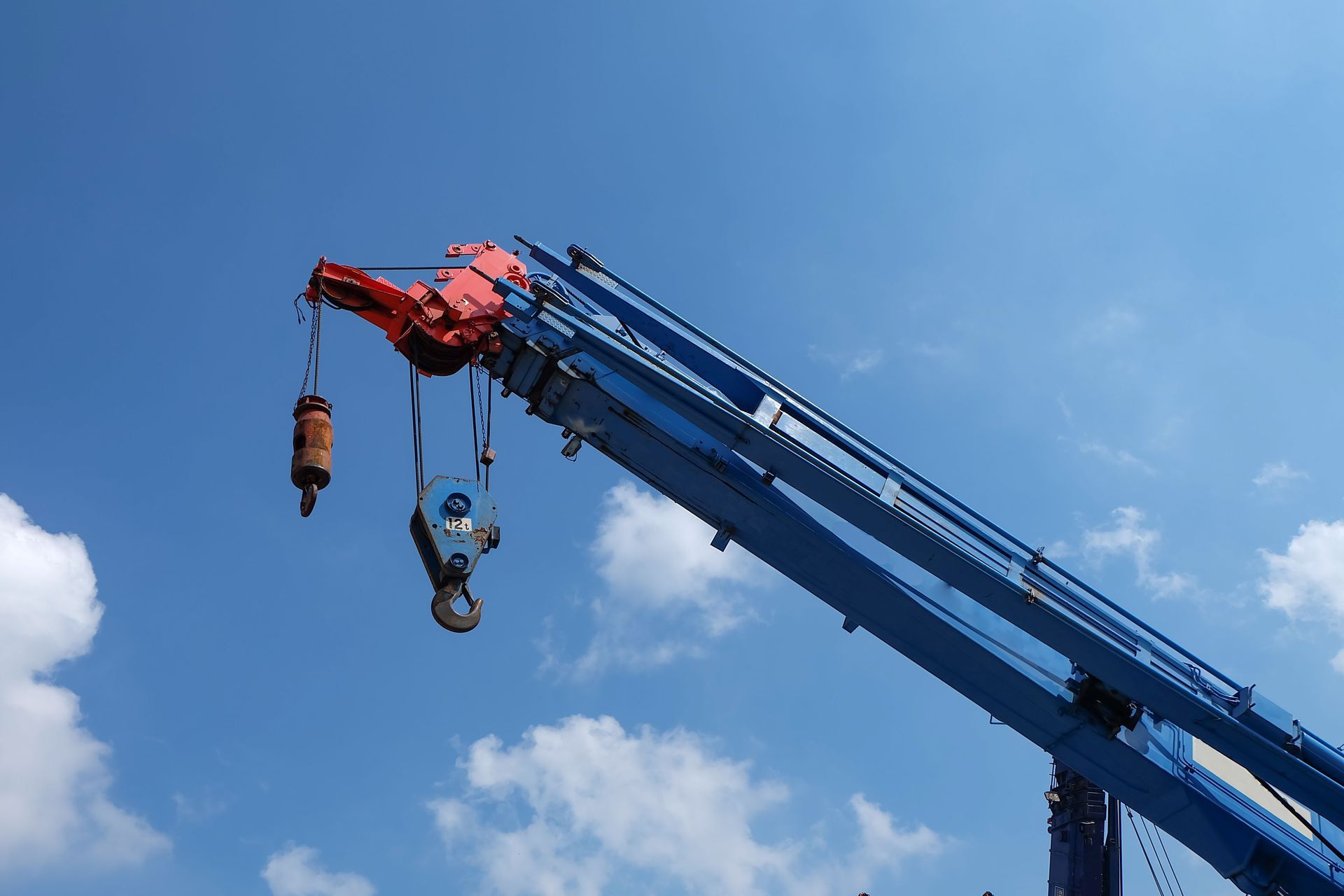
A self-erecting crane features several main components working together to perform heavy lifts smoothly. The sturdy base supports the entire structure, anchoring the machine securely to the ground. Rising upward, the tower provides vertical height, while the horizontal jib extends outward to reach across the work area. Operators use intuitive control panels to execute precise movements, lifting materials cleanly into position.
Understanding these core structural components helps operators spot potential mechanical issues well before any actual lifting operations begin on site. Checking the base connections ensures the machine remains stable throughout heavy swings. Inspecting the jib mechanism prevents sudden mechanical jams or structural stress. Regular maintenance across control panels guarantees that operator inputs translate into smooth, accurate movements on site.
Comparing Self-Erecting Options
Unlike traditional tower cranes that require secondary equipment and long assembly times to build, self-erecting units unfold using internal hydraulic systems. This rapid setup process makes them an ideal choice for short-term commercial projects or tight urban job sites where space remains limited. Their small footprint allows contractors to position equipment closer to building structures without blocking surrounding traffic.
Selecting flexible crane rentals offers commercial projects access to lifting power without long-term storage or transport logistics. According to Fortune Business Insights, the global crane market size was valued at $36.20 billion in 2025, which reflects how heavily construction teams rely on efficient lifting equipment to complete building projects safely.
Preparing Worksites for Setup
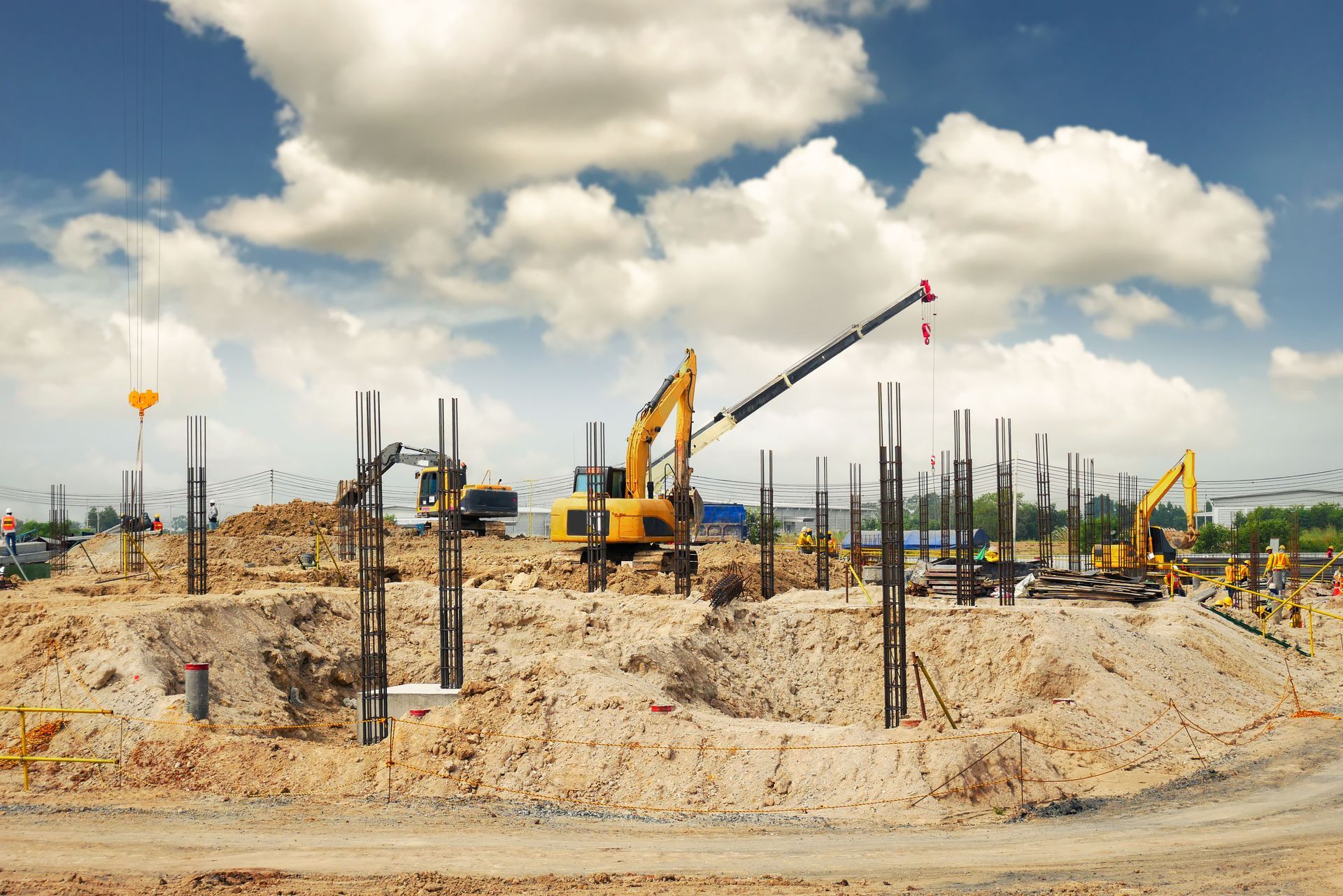
Before setting up a self-erecting crane, thorough site preparation remains essential for overall operational safety. Surveying the ground surface verifies that the soil can support the heavy weight of the machine and its maximum payload. Soft mud, loose gravel, or uneven slopes can cause dangerous shifting during heavy lifts if not corrected beforehand.
Engineers examine soil compaction and place heavy outrigger pads beneath the base to distribute weight evenly. Surveying teams also inspect access routes to ensure delivery trucks can navigate onto the property cleanly. Identifying overhead power lines and nearby structural obstacles during initial site planning prevents dangerous accidental contact during active operations.
Securing Adequate Swing Clearances
Providing sufficient space around the crane prevents accidental collisions with nearby buildings or staging areas. The horizontal jib rotates in a wide circle, requiring clear, unobstructed airspace across its entire movement radius. Congested job sites must establish clear boundaries to keep workers and secondary machinery away from active swinging areas.
Setting up temporary safety fences and high-visibility warning signs alerts ground crews to restricted lifting zones. Bright job site lighting during morning or evening hours ensures operators maintain clear visibility across the whole work area. Establishing clear physical boundaries keeps unauthorized personnel out of danger zones during heavy material moves.
Managing Daily Crane Operations
Every crane comes with a specific weight capacity defined by manufacturer guidelines. Overloading a machine creates severe structural strain, increasing the risk of tipping or mechanical failure. Operators review load charts before every lift to ensure material weights stay safely within legal operating limits.
Operators calculate total load weights carefully, factoring in the weight of rigging gear, lifting hooks, and the actual materials being moved across the site. Exceeding recommended weight limits jeopardizes ground crews and damages internal hydraulic systems. Consistent load monitoring ensures every lift travels smoothly from the staging area to the final landing spot.
Working with experienced providers for your crane rentals gives you access to well-maintained machinery with clear, easy-to-read load charts. Following strict weight guidelines protects your team while extending the operational life of the equipment.
Evaluating Weather Conditions
Weather conditions play a major role in job site safety when operating high-reaching machinery. Strong wind gusts can catch broad materials like plywood or roof trusses, causing loads to swing unpredictably. Torrential rain, heavy snow, or freezing temperatures also impact machine stability and ground conditions.
Operators keep close track of local weather forecasts throughout the day and monitor real-time wind speeds using on-site anemometers mounted on the crane structure. When wind speeds exceed safe operational limits, lifting stops immediately, and the jib gets secured safely. Proactive weather planning prevents sudden storm hazards from catching ground crews unprepared.
Managing On-Site Communication Pathways
Clear communication between crane operators and ground crews forms the foundation of every safe lifting operation. Before the crane hook moves an inch, everyone involved in the lift must understand the planned travel route and landing area. Establishing standardized hand signals and using dedicated, interference-free radio channels ensures instructions pass back and forth clearly.
Signal persons on the ground serve as the operator's extra set of eyes during complex moves. If a signal person notices an unexpected hazard, they call an immediate stop. Keeping communication pathways clear prevents accidental collisions, protects ground workers, and ensures materials land precisely where needed.
Prioritizing Training and Inspections
Having a trained, licensed operator at the controls serves as your first line of defense against job site accidents. Certified operators understand crane mechanics, rigging techniques, and emergency shutdown procedures thoroughly. Their professional training prepares them to handle unexpected challenges calmly and correctly.
Certified operators conduct routine pre-operation inspections before starting the machine each morning. Effective communication between operators and ground crews using clear hand signals or dedicated two-way radios eliminates dangerous misunderstandings during complex structural lifts.
Choosing professional crane rentals ensures that your project benefits from expert guidance and fully compliant equipment. Skilled operators follow established safety guidelines strictly, creating a secure environment for everyone on site.
Establishing Ongoing Maintenance
Routine skill assessments and safety drills keep operational teams sharp and prepared for emergency scenarios. Simulated drills allow crews to practice responding to sudden power losses, mechanical glitches, or severe weather shifts safely. Repeated practice builds clear muscle memory so workers react quickly during real emergencies.
Detailed maintenance logs track every inspection, repair, and component update. Keeping thorough records ensures that worn parts get replaced long before they fail. Regular maintenance checks keep machinery operating at peak efficiency throughout your project.
Managing heavy lifting tasks safely requires reliable machinery, experienced professionals, and steady commitment to job site protocols. From selecting equipment to conducting site surveys, taking proactive safety measures protects your crew and keeps your construction project on schedule. Utilizing flexible crane rentals allows you to tackle complex lifting challenges with complete confidence.
When you need dependable lifting solutions, working alongside experienced local specialists makes all the difference. The team at Tipton Crane LLC brings decades of industry experience, top-tier equipment, and personalized service to every job site. If you are planning an upcoming build and need versatile crane rentals tailored to your project goals, contact Tipton Crane LLC today to discuss your lifting requirements.