April 13, 2026
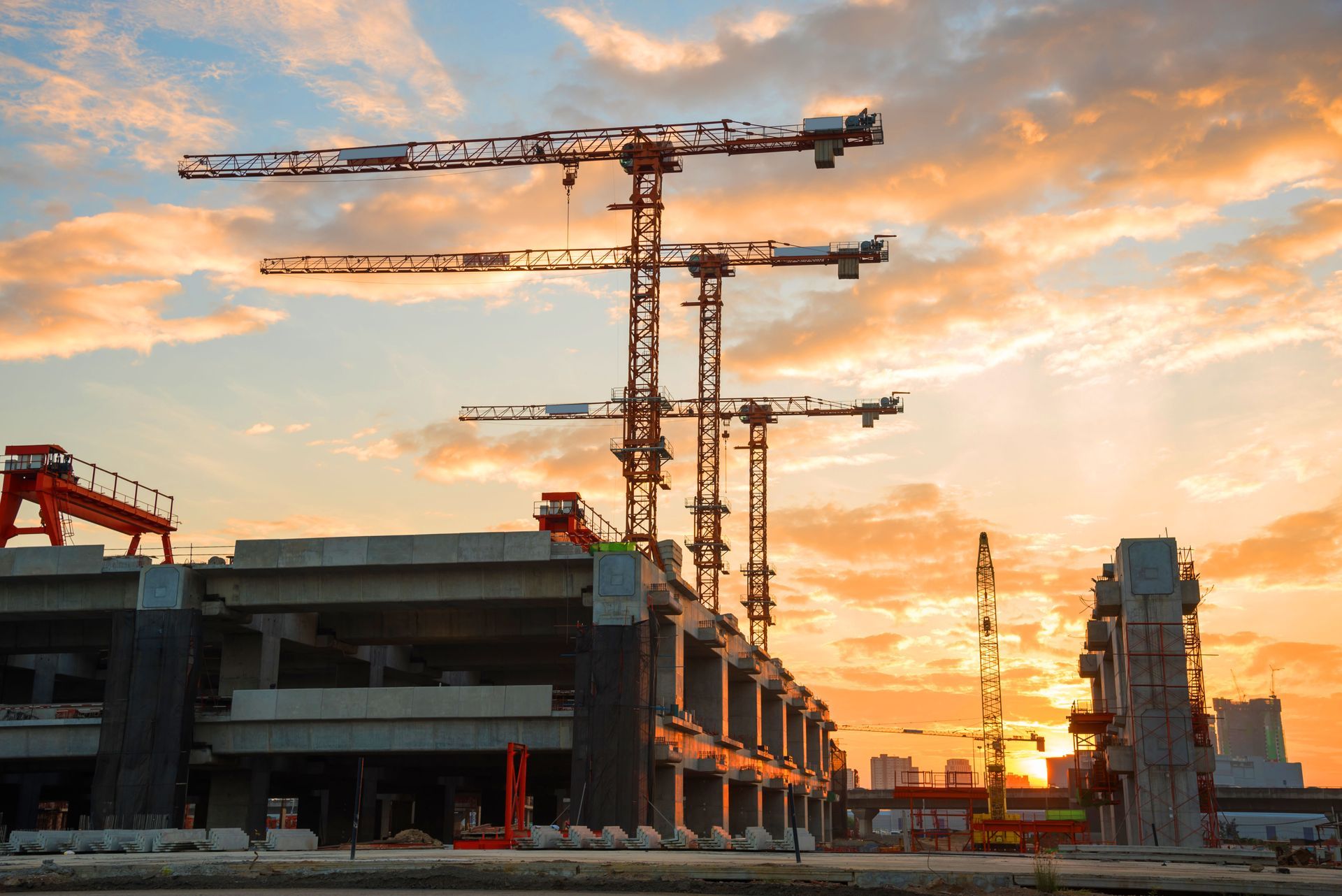
The construction industry heavily relies on the use of tower crane services to facilitate the lifting and moving of heavy materials. Given their towering presence and crucial role, ensuring their safe operation is paramount. Accidents involving tower cranes can lead to severe consequences, including fatalities, injuries, and significant structural damage. Thus, understanding and implementing robust safety measures mark the first step towards accident prevention. Let's look at a few essential safety tips that can vastly improve safety around tower cranes, from planning stages to operation and emergency management.
1. Planning and Preparation
Site Assessment and Analysis
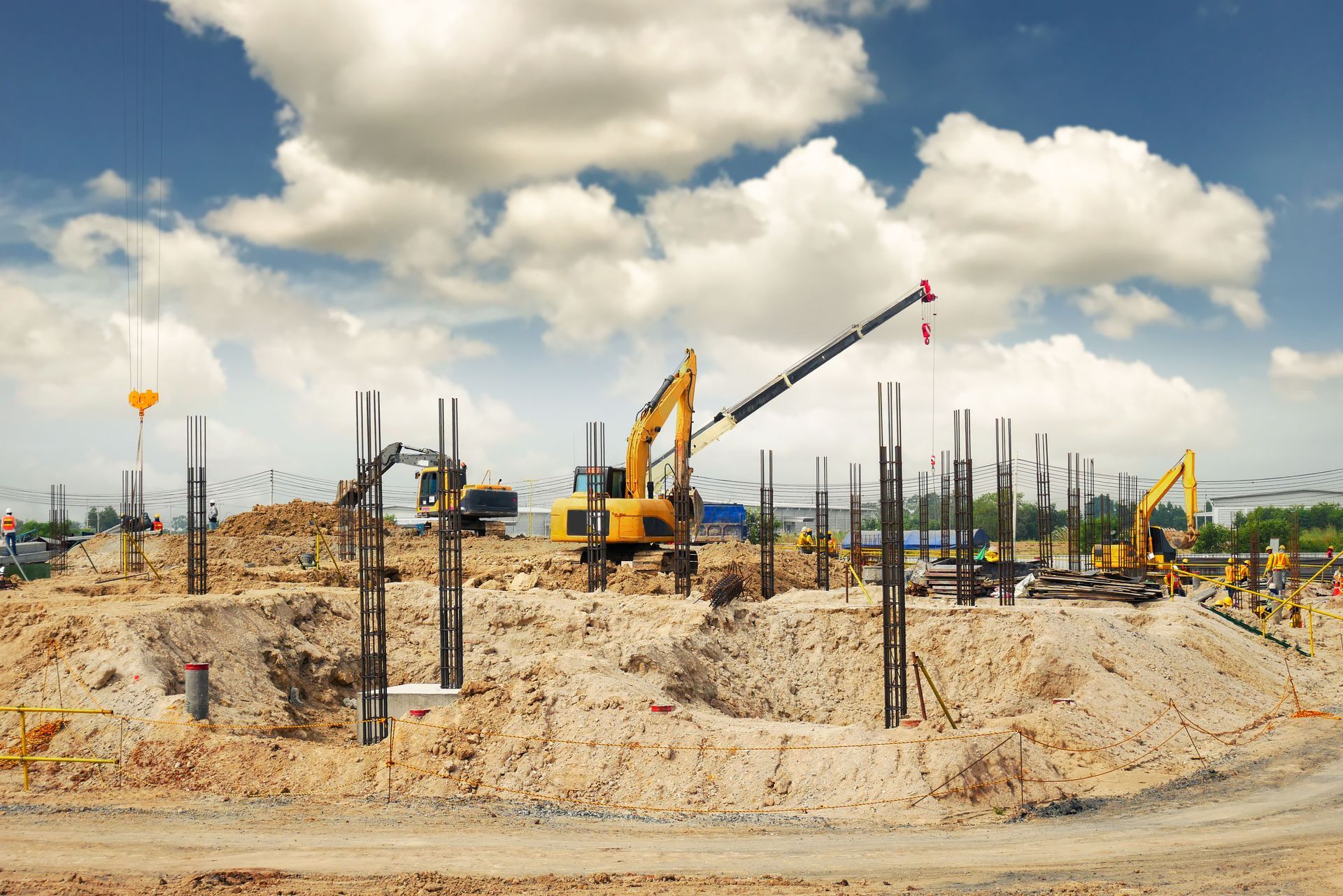
A comprehensive site assessment is the foundational step in safely integrating a tower crane into any construction project. Proper analysis of the site helps identify potential hazards such as overhead wires and proximity to structures, thereby guiding the safe positioning of the crane. It is crucial for safety managers to work with engineers to map out the exact crane layout on-site, ensuring it's on stable, level ground with adequate space for operation. Site assessments also account for dynamic factors like wind patterns and weather conditions, which can influence crane performance. These assessments help foster a meticulous understanding of the site, thus paving the way for informed decision-making in crane operations.
Crane Selection Criteria
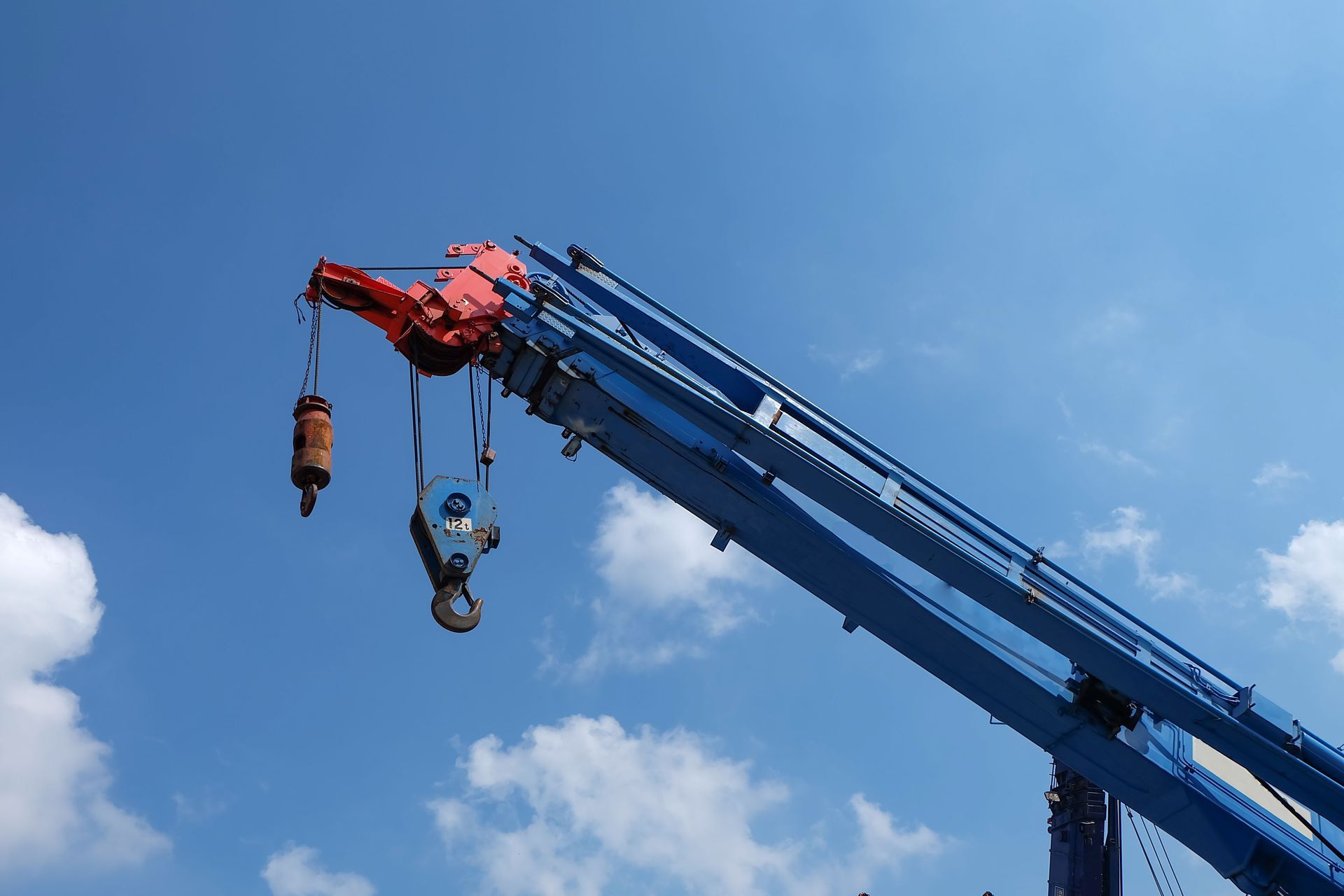
Selecting the right tower crane is integral to project safety and efficiency. The type and size of the crane chosen must align with the project's specific lifting requirements, considering both the maximum load and the reach required. With over 100,000 active tower cranes worldwide, according to the American National Standards Institute, ensuring you choose a crane that suits your project can mitigate numerous risks. Decision-makers should prioritize cranes with modern safety features such as anti-sway and load moment indicators, which are designed to handle unexpected variables during operation. Selecting the right crane doesn't just enhance safety; it also optimizes project timelines and costs.
Pre-Construction Safety Meeting
A pre-construction safety meeting unites all key personnel to discuss potential risks and establish safety protocols. This meeting fosters an environment for collaboration where team members, including crane operators, site managers, and safety officers, outline their roles and responsibilities. It offers an opportunity to review the crane's operational schedule and address any site-specific safety measures. Additionally, discussing past incidents and learning from them encourages continuous improvement in safety practices. Such meetings lay the groundwork for a culture of safety, ensuring team members remain alert and preemptive in their approach.
2. Equipment Inspection
Daily Pre-Use Inspections
Daily pre-use inspections are a critical line of defense against mechanical failure. Each day, before tower crane services are put into operation, operators must conduct thorough checks to ensure that every component, from brakes to cables, is in optimal condition. These inspections are a proactive means of identifying wear and tear that could lead to accidents if left unaddressed. Furthermore, having a checklist helps standardize the inspection process, ensuring no area is overlooked. Regularly scheduled daily inspections also instill a routine of vigilance, reinforcing the workforce's commitment to safety.
Routine Maintenance Checks
Routine maintenance extends the life of the crane and reduces downtime by addressing minor issues before they escalate. It involves scheduled checks by certified technicians who can assess complex electrical and structural components beyond the scope of daily inspections. A well-documented maintenance schedule ensures compliance with manufacturer guidelines and regulatory standards. By anticipating potential risks, routine maintenance mitigates operational disruptions and prioritizes worker safety. Consistent maintenance underpins the operational reliability that all stakeholders, from workers to clients, depend upon.
Third-Party Certification
Engaging third-party certification bodies provides an additional layer of assurance that crane operations meet the highest safety standards. Certified inspectors possess specialized knowledge and an unbiased perspective that can reveal overlooked issues and highlight areas for improvement. They verify compliance with local and international safety regulations, providing a formal endorsement that instills confidence in both workers and management. Leveraging third-party inspections as a regular practice helps maintain accountability, significantly reducing the probability of oversights and accidents. Certifications reflect a proactive commitment to safety, reassuring clients and regulatory bodies of the project's integrity.
3. Operator Training and Certification
Mandatory Training Programs
Mandatory training programs are crucial in equipping crane operators with the skills and knowledge needed for safe operations. These programs cover fundamental aspects, such as understanding crane mechanics, load dynamics, and emergency protocols. Participants receive hands-on experience under expert supervision, allowing them to apply theoretical knowledge safely in realistic scenarios. Regular updates on training content reflect technical advancements and changing safety regulations to ensure operators remain informed. Reinforcing training with periodic evaluations ensures that operators retain their proficiency, maintaining operational safety standards.
Understanding Crane Controls and Functions
Operators must thoroughly understand the intricate controls and functions of the tower crane to execute their duties safely and efficiently. Competency in manipulating the crane's control panel directly impacts load stability and precision in maneuvering, especially at high altitudes. Training sessions should demystify complex control systems, empowering operators through practical, scenario-based learning experiences. This technical proficiency should be complemented by ongoing assessments, ensuring operators consistently demonstrate adeptness in managing both routine and challenging operations. Understanding the crane's functionalities fosters confidence, leading to more informed decision-making and risk management on-site.
Continuous Skills Assessment
Regular skills assessments are essential in maintaining high safety standards for tower crane services. Routine evaluations identify areas where operators may need additional training, keeping their skills sharp and updated. These assessments can be structured through practical drills and simulations that challenge operators with various operational scenarios. Feedback from these assessments encourages continuous improvement, allowing operators to develop a personalized approach to their growth and skill enhancement. Continuous skills assessment reinforces the commitment to operational excellence and safety in dynamically changing construction environments.
4. Communication and Coordination
Establishing Clear Hand Signals
Clear hand signals are an effective communication method, particularly useful in environments with high noise levels that impede verbal communication. Standardized hand signals, universally recognized within the industry, facilitate seamless interaction between crane operators and the ground crew. Regular practice sessions ensure that all crew members are familiar with and adept at executing these signals accurately, preventing miscommunications. By establishing robust visual communication channels, the possibility of operational misunderstandings is significantly diminished. The consistency in hand signals promotes operational harmony, thereby enhancing onsite safety and productivity.
Use of Two-Way Radios
Implementing two-way radios as a communication tool enhances coordination and safety on construction sites. Radios provide a direct line of contact between the operator and ground crews, allowing for immediate updates and instructions to be exchanged efficiently. These tools facilitate precise instructions during operations, mitigating risks associated with miscommunication and errors. Equipped operators can prompt real-time coordination adjustments, responding swiftly to changes in environmental conditions or project requirements. Prioritizing clear communication through two-way radios ensures the entire crew remains synchronized, enhancing overall safety and efficiency.
Coordination With Ground Crew
Seamless coordination with the ground crew is essential in executing tower crane services safely and efficiently. Comprehensive briefings before operations instill a mutual understanding of each team member's role, optimizing workflows and minimizing risks. Ground crew coordination involves anticipating potential challenges and effectively utilizing a combined skill set to navigate these obstacles. Efficient collaboration reduces downtime and enhances the crane's operational performance, contributing to project timelines and targets. A united team operating under a shared objective significantly raises the standard of onsite safety and operational success.
Tower crane services are indispensable in modern construction, but their benefits come with significant responsibilities. By prioritizing meticulous planning, rigorous equipment inspections, comprehensive operator training, and clear communication protocols, construction teams can dramatically reduce the risks associated with crane operations. Implementing these safety measures not only protects workers and equipment but also promotes project efficiency and reliability. To learn more, or to get started with quality tower crane services you can rely on, reach out to the experts at Tipton Crane LLC today!