April 13, 2026
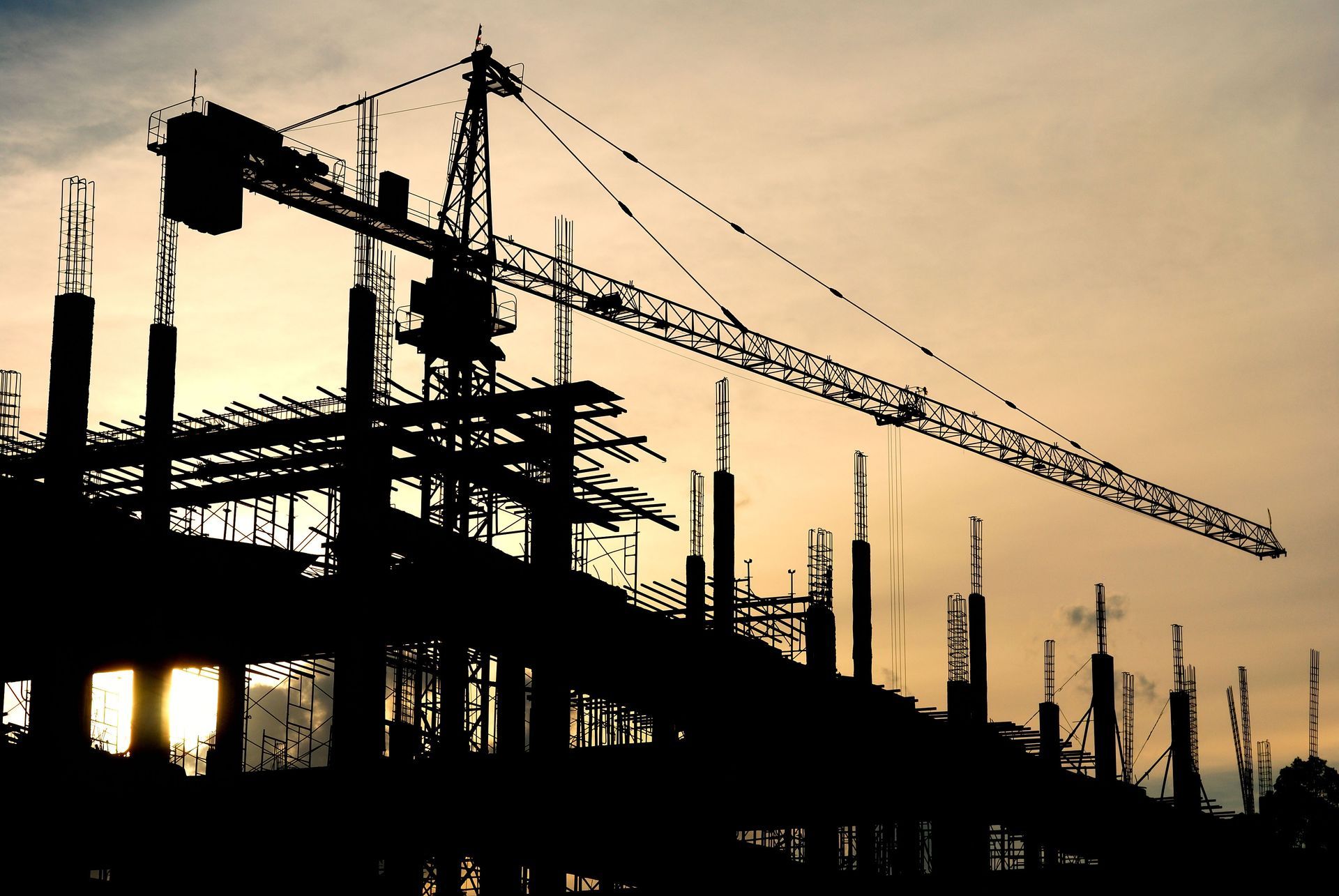
Tower cranes are some of the most recognizable machines on major construction sites, but they are also widely misunderstood. Many people see their size, height, and lifting power and make assumptions about how they work, where they can be used, and who needs them. In reality, tower cranes are highly specialized pieces of equipment that play an important role in a wide range of projects. A better understanding of these machines can help property owners, contractors, and developers make more informed decisions when planning construction work.
Misconceptions about tower cranes can lead to confusion about cost, safety, flexibility, and efficiency. That is especially true for businesses considering tower crane rental as part of an upcoming project. When people rely on myths instead of accurate information, they may overlook a solution that could improve productivity and site coordination. Clearing up these common misunderstandings makes it easier to see how tower cranes fit into modern construction and why they remain such a valuable option for demanding jobs.
1. Assuming Tower Cranes Only Work On Skyscrapers
One of the most common misconceptions is that tower cranes are used only for very tall buildings. While they are often associated with high-rise projects, they can also be used for many other types of construction. Mid-rise structures, large commercial developments, industrial sites, and major renovation projects may all benefit from the reach and lifting ability a tower crane can provide. Height is only one factor in deciding whether this equipment makes sense for a job.
In many cases, a tower crane is chosen because it can move materials efficiently across a wide area, not just because a building is extremely tall. Projects with limited ground space, heavy materials, or complex staging needs may be strong candidates for tower crane rental even if they are not skyline-defining builds. This makes tower cranes more versatile than many people realize and shows that their value extends far beyond the tallest structures in a city.
2. Believing Tower Cranes Are Too Complicated To Use
Another misunderstanding is that tower cranes are so complicated that they create more problems than they solve. It is true that these machines are sophisticated, but they are also designed to handle demanding construction tasks with precision. Their components work together in a clear and purposeful way, allowing operators and project teams to move materials where they need to go with a high degree of control. According to Heavy Equipment Colleges of America, a slewing unit enables a tower crane to rotate a full 360 degrees.
That level of movement is one reason tower cranes are so useful on busy sites. Rather than creating confusion, their design supports organized material handling when managed by trained professionals. Working with an experienced provider for tower crane rental can also make the process much smoother, since the right team can help with planning, setup, and coordination. What seems intimidating from a distance often becomes a practical advantage once the equipment is understood in the context of the project.
3. Thinking Tower Cranes Are Unsafe By Nature
Because tower cranes are large and highly visible, some people assume they are inherently unsafe. In reality, tower cranes are subject to strict operational procedures, inspections, and engineering standards. Safety depends on proper planning, site conditions, qualified personnel, and regular maintenance, just as it does with other major construction equipment. The crane itself is not the problem. Risk tends to increase only when equipment is misused or when planning falls short.
When projects are approached carefully, tower cranes can support safer material movement by reducing the need for less efficient lifting methods and lowering congestion at ground level. Reputable companies that provide tower crane rental typically focus heavily on setup requirements, operating procedures, and ongoing support because safety is central to successful crane use. This misconception often comes from the crane's dramatic appearance rather than the actual systems and standards that guide its operation.
4. Expecting Tower Cranes To Slow Down Construction
Some people assume that adding a tower crane to a project will create delays because installation, coordination, and operation seem time-consuming. While tower cranes do require planning, they are often chosen because they help improve efficiency across the life of the project. Moving heavy materials manually or relying on less suitable equipment can create repeated slowdowns, especially on larger sites where materials must travel long distances or reach upper levels regularly.
A well-planned tower crane setup can help crews work more smoothly by improving access to materials and reducing wasted movement across the site. Instead of slowing progress, the right equipment can support faster workflows and better job site organization. That is why many contractors look into tower crane rental when they want to improve timing and productivity on demanding jobs. The initial coordination is often worthwhile because of the long-term gains it can support.
5. Assuming Tower Cranes Are Only For Massive Budgets
Another myth is that tower cranes are only realistic for the largest companies with the biggest budgets. While these cranes represent a significant piece of equipment, that does not mean they are out of reach for every project outside the largest developments. Cost should be weighed against the value the crane can provide, including improved efficiency, better material handling, reduced labor strain, and stronger site coordination. Looking only at the crane itself without considering the broader impact can give an incomplete picture.
For many contractors and developers, tower crane rental offers a more practical path than purchasing equipment outright. Renting can provide access to the lifting power and reach needed for a project without the long-term ownership responsibilities. This approach allows businesses to match equipment needs to specific job demands, which can make financial sense on projects where the crane supports smoother execution and reduces other costly inefficiencies.
6. Overlooking Tower Cranes On Smaller Job Sites
People often picture tower cranes only on enormous, open construction sites with endless room to work. In truth, some projects benefit from tower cranes precisely because space is limited. Tight urban environments, crowded commercial areas, and sites with restricted access may all create challenges for moving materials. In those situations, lifting materials from a central point can be more effective than relying entirely on ground-based equipment that requires more room to maneuver.
Site size should be evaluated carefully, but smaller or more constrained locations should not automatically rule out this option. The question is not simply whether a site looks large enough from the street. The better question is whether the equipment can improve how materials are moved and staged throughout construction. In some cases, tower crane rental becomes a smart solution because it helps teams make better use of limited space while keeping work more organized.
7. Assuming All Tower Crane Services Are The Same
A final misconception is that one tower crane provider is about the same as any other. In reality, service quality can make a major difference in how smoothly a project runs. Planning support, communication, equipment condition, scheduling, and technical guidance all matter when integrating a crane into a construction site. A provider that understands the project’s goals and challenges can help avoid issues that might otherwise affect productivity or coordination.
Working with a dependable provider can also make the overall process more efficient from start to finish. Many businesses rely on professional services that offer consistent support and clear communication throughout the project. When expectations are aligned and equipment is properly managed, it becomes easier to keep construction timelines on track while maintaining a more organized job site.
That is why choosing the right partner for tower crane rental deserves careful attention. Experience, responsiveness, and project knowledge can shape the value you get from the equipment just as much as the crane itself. When these common misconceptions are set aside, tower cranes become easier to evaluate as practical tools rather than intimidating symbols of oversized construction. If you are planning a project and want reliable guidance on whether a tower crane is the right fit, contact Tipton Crane LLC today.